How Sensitivity Relates to Microphone Output
Understanding the relationship between microphone sensitivity and output is key to optimizing audio performance. Finding the right balance ensures clear, distortion-free sound.

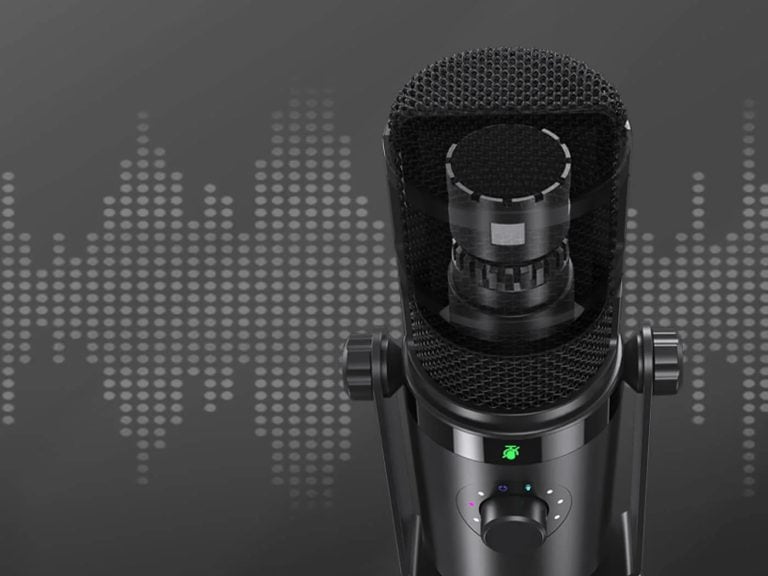
Understanding the relationship between microphone sensitivity and output is key to optimizing audio performance. Finding the right balance ensures clear, distortion-free sound.

Understanding microphone frequency response is key for live sound technicians to ensure clear, balanced audio in concert or event settings. The guide covers how different frequency response curves—like flat, presence peak, and low-frequency roll-off—impact sound quality, helping technicians choose the right mic for vocals, instruments, and wireless setups while minimizing feedback and handling room acoustics.
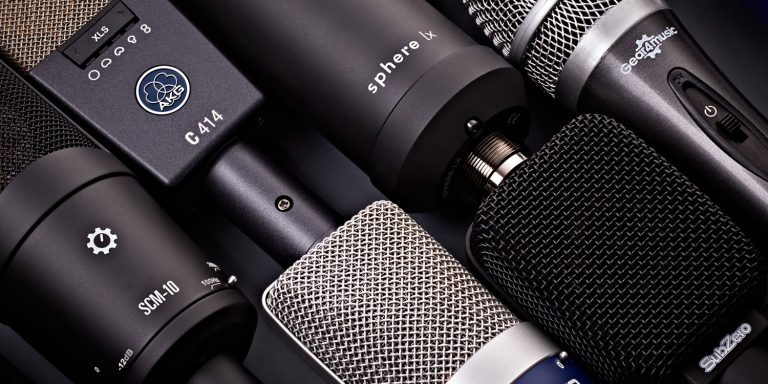
Shoppers looking for the best microphone frequency response should consider their recording needs. Condenser mics offer excellent high-frequency detail, dynamic mics are great for midrange-heavy sounds, and ribbon mics provide a warm, natural tone. USB microphones offer convenience but with a more limited range. Choosing the right mic depends on the sound you want to capture.
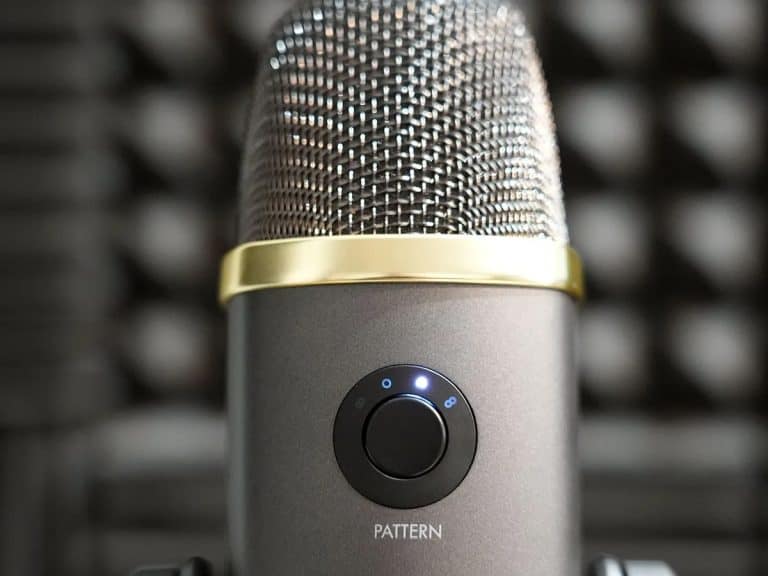
Understanding how directionality impacts frequency response is key to selecting the right microphone. Choosing the right pattern helps achieve the desired audio quality in any recording situation.
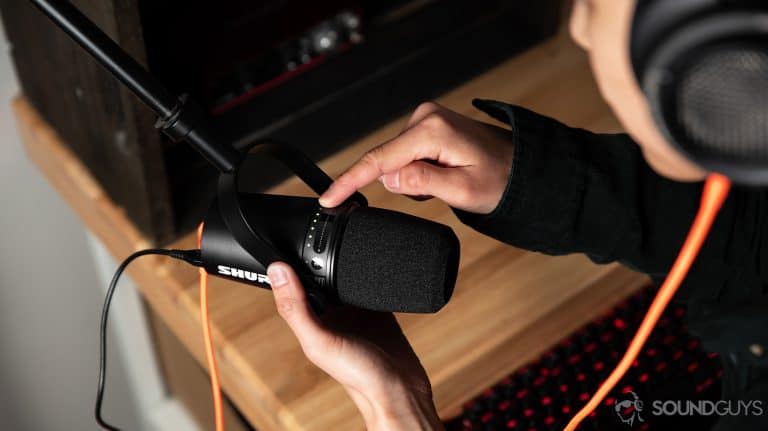
Here’s a a practical guide for audio engineers and editors looking to adjust microphone frequency response during post-production. Whether you’re fixing issues or adding creative touches, this guide helps you craft a balanced and polished final mix.
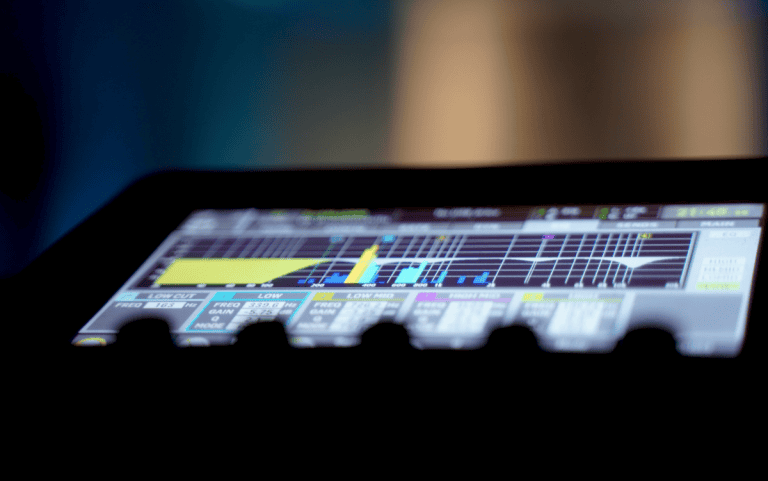
Explore the key differences between flat and shaped frequency responses in microphones. Learn how flat responses offer accurate, uncolored sound ideal for studio settings, while shaped responses enhance specific frequencies, making them perfect for live performances or specialized recordings. Your choice depends on whether you need precision or tailored sound for your audio projects.
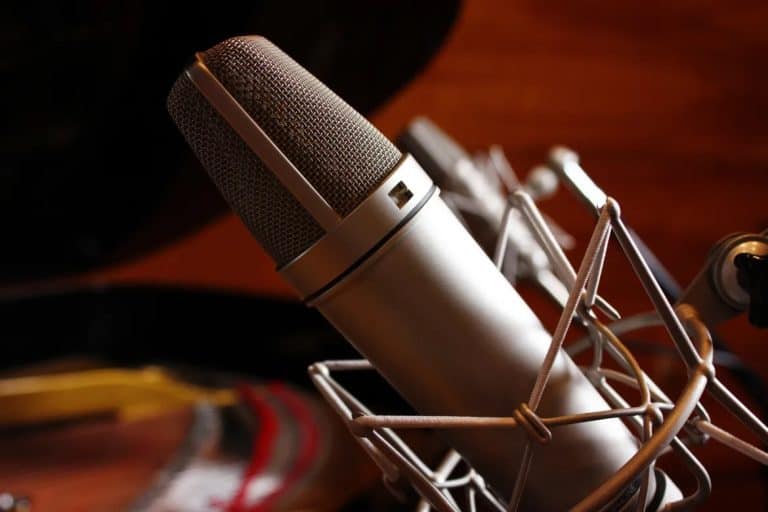
Explore top microphones known for their wide frequency response, ideal for capturing the full range of vocals with clarity and detail. From the Neumann U87 AI to the Rode NT1-A, these mics deliver exceptional sound quality, making them perfect for both professional studios and serious vocalists.
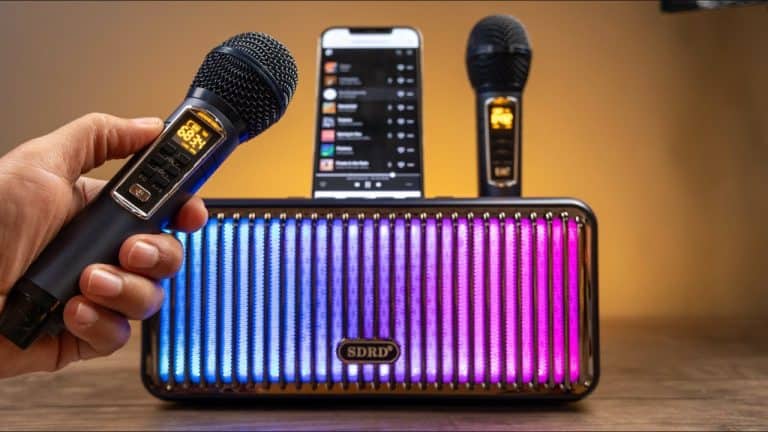
This article explores the relationship between frequency response and sound quality, explaining how an audio device’s ability to handle different frequencies affects the accuracy and clarity of sound reproduction. It covers the importance of a flat frequency response for natural sound, the impact of frequency deviations on audio character, and how understanding this relationship can guide the selection of audio equipment for various applications.
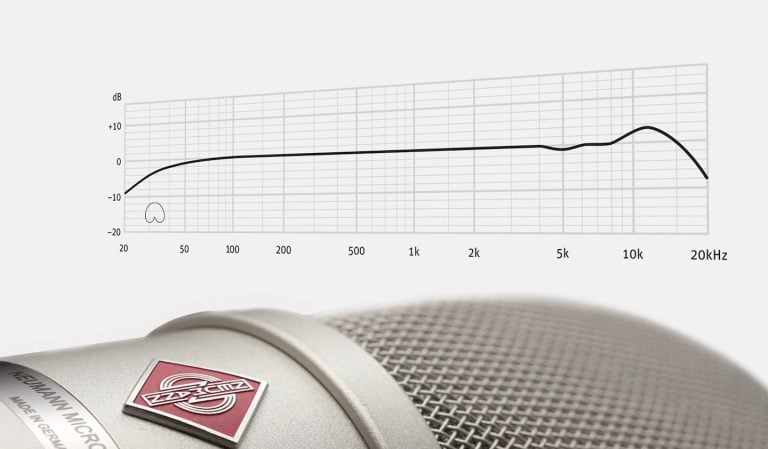
This article explains how to read microphone frequency response charts, guiding readers on interpreting the curves and key features that indicate how a microphone responds to different frequencies. It covers the significance of flat and shaped responses, the impact of roll-offs, and the importance of context in choosing the right microphone for specific recording needs.
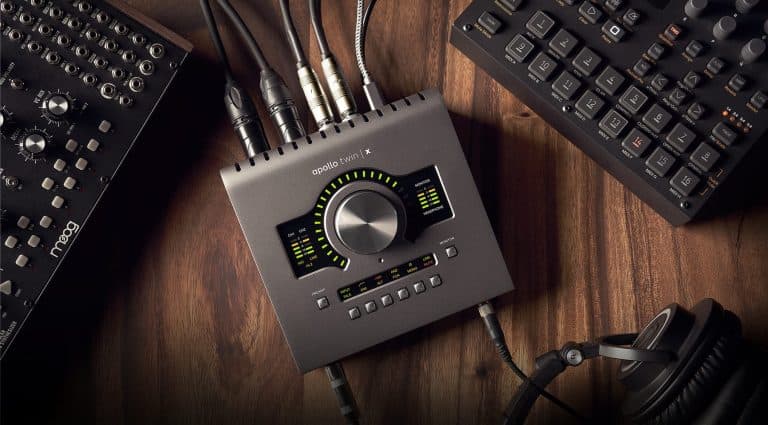
In this comprehensive guide, we list down 8 phantom power-compatible audio interfaces. Each interface is detailed with its features, audio quality, and suitability for various recording needs, helping users choose the best option for their setup.