How to Protect Microphones from Excessive SPL
Protecting microphoens from excessive SPL involves simple and easy tips and safeguarding practices. From using pop filters to proper placements, here are the various ways you can protect your mic.
Understanding microphone placement is key to capturing clear, high-quality sound. The guide covers essential techniques for positioning mics when recording vocals, instruments, drums, and amplifiers, while considering room acoustics.
Learn how to measure and interpret microphone sensitivity, exploring the technical process behind it and what the sensitivity ratings in dBV and mV/Pa mean. Gain insights into how sensitivity impacts microphone performance in different environments, from capturing quiet sounds to handling high-SPL situations. Understand how to balance microphone sensitivity with preamp gain for optimal sound quality.
Here’s a condensed guide to choosing microphones for high SPL environments, focusing on factors like sensitivity, durability, and polar patterns. It highlights the importance of dynamic microphones, transient response, and attenuation pads for capturing clean audio in loud settings like concerts and industrial sites. Perfect for sound engineers needing reliable gear in high-pressure situations.
Discover how to convert microphone sensitivity from dBV/Pa to dB SPL and why it matters for audio setups. The guide explains both units, provides a simple formula for conversion, and highlights how understanding sensitivity can help optimize recording environments. It also covers practical tips for interpreting sensitivity in different contexts.
Understanding how microphone sensitivity affects the noise floor is crucial for capturing clean audio. Achieving the right balance between sensitivity and noise control helps audio purists and professionals avoid unwanted noise while maintaining clarity in recordings.
When choosing a microphone, understanding sensitivity levels is key. High-sensitivity vs. low-sensitivity microphones are often debated on. Here we help you selecting the right microphone depends on your recording needs and environment.
Understanding a microphone’s Sound Pressure Level (SPL) limit is key to capturing clear, undistorted audio. By choosing a microphone with the appropriate SPL limit for your needs, you ensure optimal performance and sound quality.
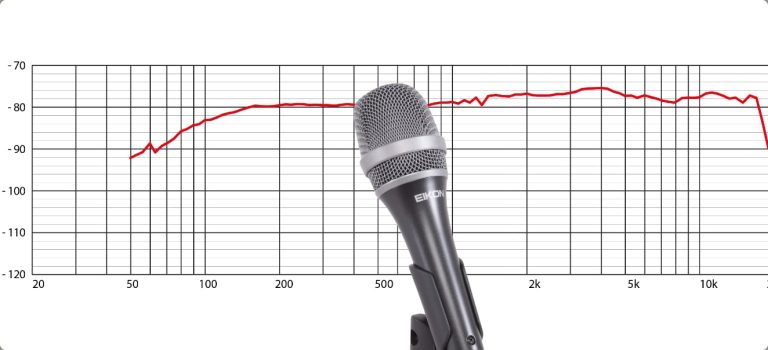
Understanding frequency response curves and peaks is essential for analyzing how systems like audio equipment or filters handle different frequencies. This guide explores the key components of frequency response charts, including amplitude and frequency, and explains terms like half-power points and impulse response. By delving into these concepts, you’ll gain insights into how systems affect signal quality and performance, helping you make informed decisions about equipment and design.
Understanding the relationship between microphone sensitivity and output is key to optimizing audio performance. Finding the right balance ensures clear, distortion-free sound.