
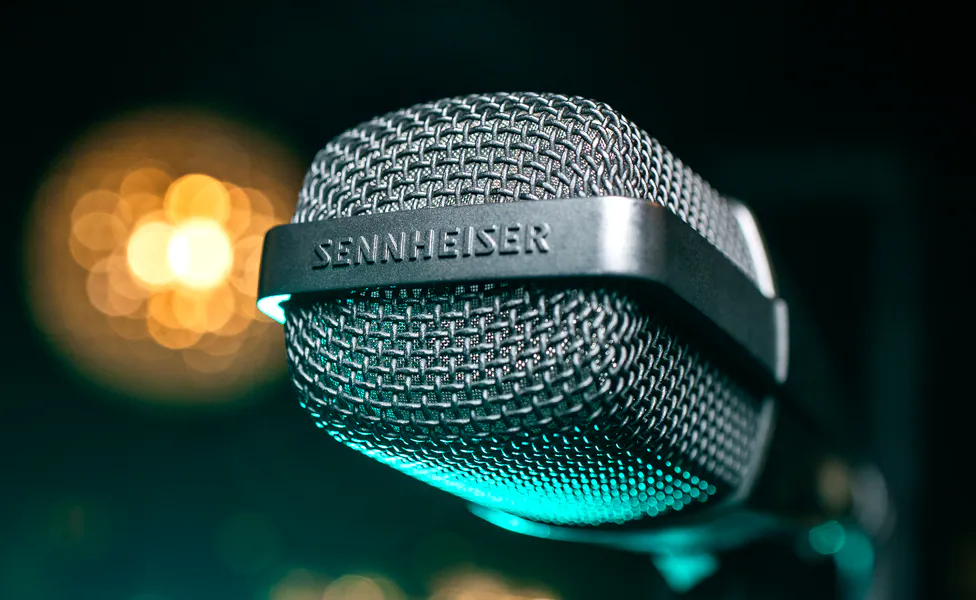
Sennheiser microphones are known for reliability and precision across professional audio environments. From live stages to broadcast studios and film sets, they’re built to deliver consistent performance where audio quality can’t afford to fail.
This guide breaks down how Sennheiser microphones perform in real-world use. It covers the different types, key features, best use cases, and the common mistakes that can affect your results.
What Are Sennheiser Microphones Known For?
Sennheiser focuses on durability, clarity, and dependable performance. Unlike brands that lean heavily toward studio or creator markets, Sennheiser has a strong presence in live sound, broadcasting, and professional production. Their microphones are built to handle demanding environments while maintaining clear, consistent audio.
In practical terms, the best Sennheiser microphones are known for:
- Strong performance in live and broadcast settings
- Reliable wireless systems and signal stability
- Clear, controlled sound that works well in mixed environments
They’re designed to perform under pressure, not just in ideal conditions.
Types of Sennheiser Microphones
Sennheiser offers a wide range of microphones, each designed for specific applications.
Dynamic Microphones
Dynamic microphones are a core part of Sennheiser’s lineup. Models like the Sennheiser e835 and Sennheiser MD 421-II are widely used for vocals and instruments. They’re designed to:
- Handle high sound pressure levels
- Reduce background noise
- Deliver consistent performance in live environments
In practice, they’re reliable for stage use, rehearsal spaces, and any setup where conditions aren’t controlled.
Condenser Microphones
Sennheiser also produces condenser microphones for studio and broadcast use. These microphones capture more detail and are better suited for:
- Voice recording
- Studio vocals
- Acoustic instruments
They perform best in controlled environments where their sensitivity can be fully utilized.
Shotgun Microphones
Sennheiser is especially well known for its shotgun microphones. Models like the Sennheiser MKH 416 are widely used in film, television, and location recording. These microphones focus on directional sound capture, which allows you to isolate audio even in noisy environments.
Lavalier and Wireless Microphones
Sennheiser’s wireless systems are a major part of its reputation. Lavalier microphones and wireless kits are commonly used for:
- Interviews
- Presentations
- Broadcast production
- Live events
They provide mobility without sacrificing audio quality, which is critical for professional setups.
Key Features to Look for in Sennheiser Microphones
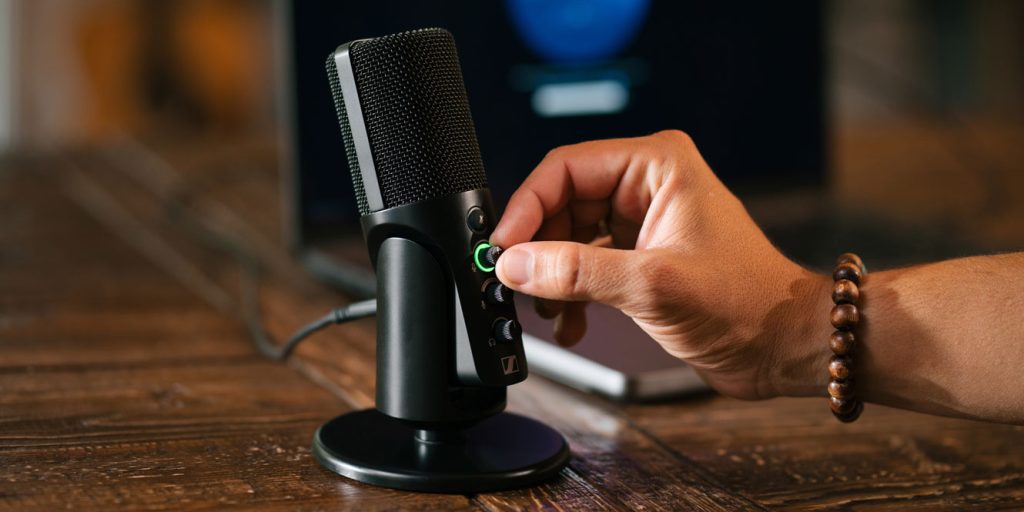
Sennheiser microphones are built for performance, so their features focus on reliability and clarity.
Consistent Sound Performance
Sennheiser microphones are designed to deliver predictable results. Whether you’re recording in a studio or performing on stage, the sound remains controlled and balanced. This consistency is one of their biggest strengths, especially for professionals who need reliable output across different setups.
Directional Accuracy
Many Sennheiser microphones, especially shotgun models, are designed for precise sound capture. This allows you to isolate your subject and reduce unwanted noise. It’s particularly useful in film and broadcast work where controlling audio sources is critical.
Durability and Build Quality
Sennheiser microphones are built to withstand regular use in demanding environments. They’re designed for transport, setup, and live performance without losing reliability. This makes them a strong choice for touring, production, and field recording.
Wireless Technology
Sennheiser’s wireless systems are known for stable connections and low interference. This is essential for live events and production environments where signal dropouts can cause major issues.
Versatility Across Applications
Sennheiser microphones are used across multiple industries. From live music to film production, they offer solutions for different recording needs, which makes them one of the more adaptable brands.
Best Uses for Sennheiser Microphones
Sennheiser microphones are designed to perform in real-world conditions where consistency matters. They’re built for environments where you don’t get second takes and reliability is just as important as sound quality.
Live Performances
Dynamic microphones like the Sennheiser e835 are widely used on stage because they’re designed to handle pressure. They can deal with high volume levels without distorting, and they naturally reduce feedback, which is critical in live sound setups. In practice, they help vocals stay clear even when the stage is loud and unpredictable. They’re also forgiving. Even if your positioning isn’t perfect, you’ll still get usable audio, which is why they’re trusted by performers and sound engineers.
Broadcast and Voice Work
Sennheiser microphones are commonly used in broadcast environments where clarity and consistency are essential. They deliver controlled voice reproduction that doesn’t fluctuate between sessions. This is important for radio, commentary, and voiceover work where listeners expect a stable, professional sound. In real use, they reduce the need for constant adjustment, which makes them easier to manage in both live and recorded settings.
Film and Video Production
Shotgun microphones like the Sennheiser MKH 416 are industry standards for film work. They allow you to capture focused audio from a distance, which is essential when you can’t place a microphone directly in front of the subject. Their directional design helps isolate dialogue while reducing background noise. This makes them especially useful for on-location shoots where conditions aren’t controlled, and audio needs to stay clean.
Interviews and Presentations
Wireless and lavalier systems are ideal when mobility is required. They allow speakers to move naturally while maintaining consistent audio levels. This is important for presentations, interviews, and live events where fixed microphones aren’t practical. In real setups, this flexibility improves both comfort and sound consistency, especially when multiple people are involved.
Common Mistakes When Choosing a Sennheiser Microphone
Most issues come from choosing the wrong type or misunderstanding how the microphone is meant to be used. Sennheiser microphones are precise tools, and using them incorrectly limits their performance.
Choosing a Studio Mic for Live Use
Condenser microphones may sound great in a studio, but they can struggle in live environments. They’re more sensitive and can pick up unwanted noise or cause feedback on stage. Dynamic microphones are usually the better choice for live performance because they offer more control and stability.
Ignoring Wireless Setup Requirements
Wireless systems require proper setup and frequency management. If you skip this step, you may experience interference, dropouts, or inconsistent audio. Even high-quality systems depend on proper configuration to perform reliably.
Using the Wrong Mic for the Job
Sennheiser offers microphones designed for very specific applications. Using a shotgun mic for close-range recording or a lavalier in a loud environment can lead to poor results. Matching the microphone to the situation is essential for getting clean audio.
Poor Placement and Positioning
Even high-end microphones need proper placement. Distance and angle affect how sound is captured. For example, moving slightly off-axis can reduce harshness, while adjusting distance can improve balance. Small changes in positioning often lead to noticeable improvements.
Overlooking the Environment
Background noise and acoustics still matter. Even though Sennheiser microphones are designed to handle challenging conditions, they can’t completely eliminate environmental issues. Your surroundings will always influence the final sound.
How to Choose the Right Sennheiser Microphone
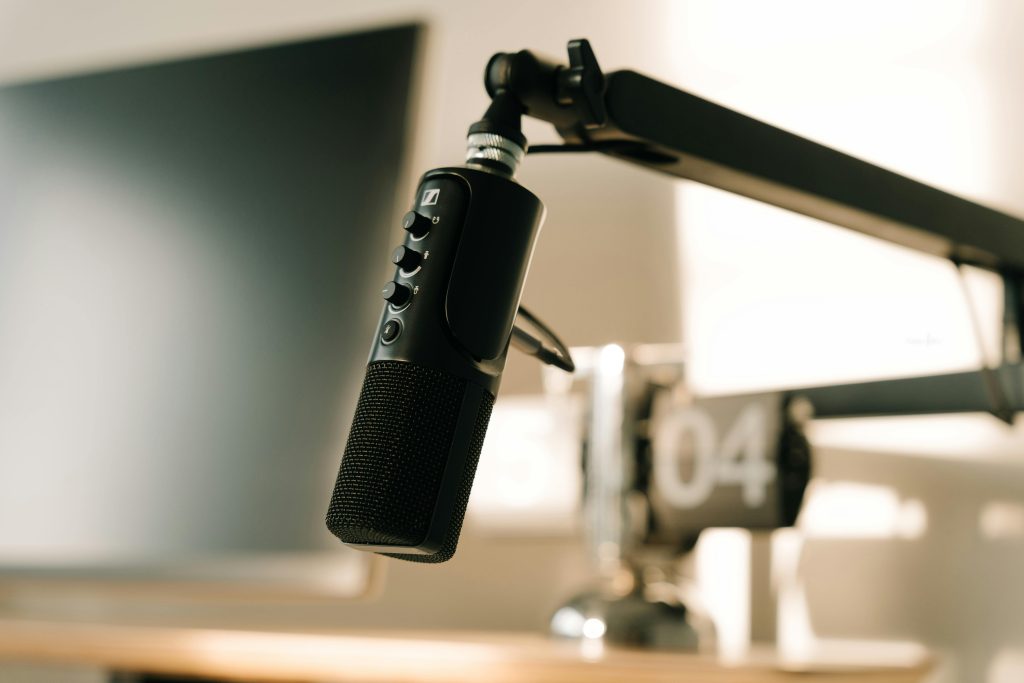
Start with Your Use Case
Think about where and how you’ll use the microphone. Live performance, studio recording, and video production all require different types of microphones. Choosing based on your main use case helps avoid unnecessary compromises.
Consider Mobility Needs
If you need to move while recording, a wireless or lavalier system is the best option. If you’re working in a fixed setup, a dynamic or condenser microphone will usually provide better control and sound quality.
Match the Microphone to the Environment
Choose a microphone that works with your environment. For noisy or live settings, dynamic microphones offer better control. For controlled environments, condenser microphones provide more detail and accuracy.
Sennheiser Microphones vs Other Brands
Shure vs Sennheiser
Shure is known for rugged, stage-focused microphones. Sennheiser offers similar durability but stands out with stronger wireless systems and broader use in broadcast and production environments. Both are reliable, but Sennheiser often fits better into mixed production workflows.
Rode vs Sennheiser
Rode focuses on content creation and flexible recording setups. Sennheiser leans more toward professional production and live performance. Rode is more accessible for creators, while Sennheiser is more established in industry-level applications.
Audio-Technica vs Sennheiser
Audio-Technica offers strong value and studio-focused microphones. Sennheiser provides broader coverage across live, broadcast, and production use. Audio-Technica is a solid entry point, while Sennheiser is more commonly used in professional environments where reliability is critical.
Final Thoughts
Sennheiser microphones are built for reliability and consistency. They’re designed to perform in demanding environments where audio quality matters just as much as durability. If you choose the right type and use it correctly, they deliver dependable results across a wide range of applications.