Binaural Recording in VR and AR Environments
Table of Contents
Binaural recording is becoming a critical component of immersive audio design, particularly in virtual reality (VR) and augmented reality (AR) environments where realistic spatial sound is essential for user immersion. Unlike traditional stereo audio, binaural recording captures sound the way humans naturally hear it—through two ears—allowing listeners to experience highly accurate directional audio when using headphones.
As VR and AR technologies continue to expand across gaming, training simulations, healthcare, and virtual collaboration, binaural audio is emerging as a foundational technology that enhances realism, presence, and user engagement.
What Is Binaural Recording?
Binaural recording is an audio capture technique that uses two microphones positioned to replicate the spacing and acoustic characteristics of human ears. Often, these microphones are placed inside a “dummy head” that simulates how sound waves interact with the head, ears, and body.
This process captures subtle timing differences and frequency variations that allow the brain to determine:
- direction of sound
- distance of audio sources
- environmental reflections
- spatial movement
When played back through headphones, binaural recordings create a three-dimensional audio experience that makes listeners feel as if they are physically present within the recorded environment.
Why Binaural Audio Matters in VR and AR
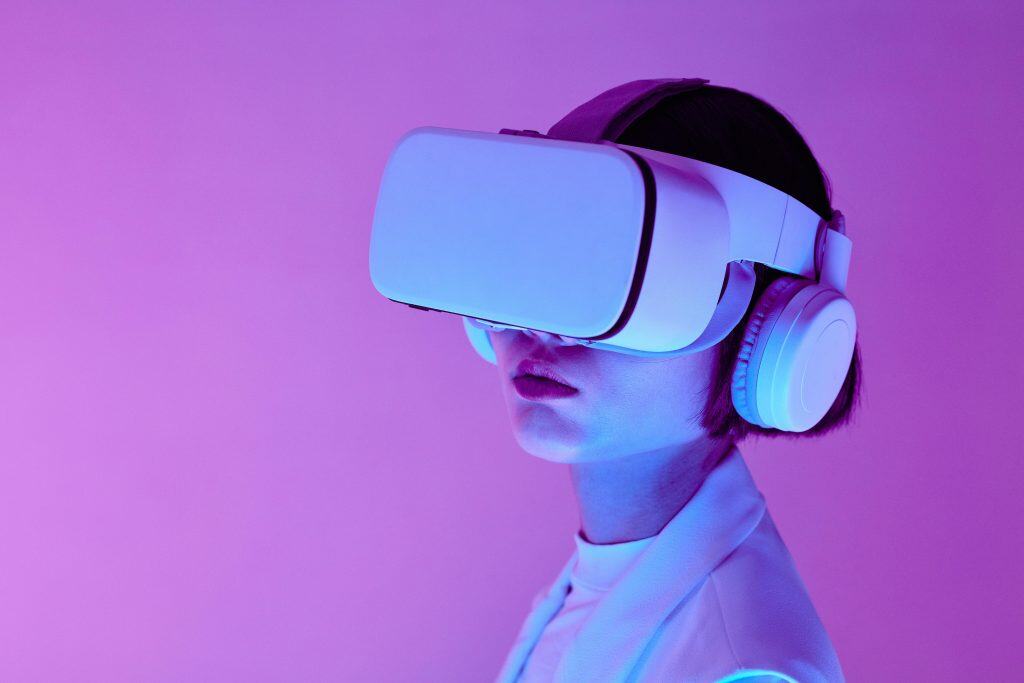
In VR and AR environments, visual immersion alone is not enough. Spatial audio plays a major role in creating realistic digital experiences. Without accurate directional sound, virtual environments feel artificial and disconnected.
Binaural recording enhances VR and AR experiences by:
- providing precise 360-degree sound positioning
- increasing environmental realism
- improving user orientation within virtual spaces
- enhancing emotional engagement and storytelling
- supporting accessibility for visually guided navigation
These benefits make binaural audio essential for industries such as VR gaming, cinematic storytelling, military simulations, education platforms, and virtual tourism experiences.
Applications of Binaural Recording in Immersive Environments
VR Gaming
Game developers use binaural audio to create dynamic environments where players can hear approaching footsteps, environmental changes, or directional cues in real time. This increases both realism and gameplay performance.
Virtual Training and Simulation
Industries such as aviation, healthcare, and emergency response rely on VR training simulations. Binaural sound improves situational awareness, helping trainees respond more effectively to complex scenarios.
Cinematic VR Storytelling
Filmmakers producing 360-degree VR films use binaural recording to guide viewer attention through spatial sound, making immersive storytelling more emotionally impactful.
AR Navigation and Smart Glasses
Augmented reality devices use spatial audio to deliver directional alerts, contextual notifications, and navigation cues without overwhelming the user’s visual interface.
Technical Advantages Over Traditional Audio
Compared to stereo or surround sound formats, binaural recording offers several advantages:
- natural head-related transfer function (HRTF) simulation
- realistic depth perception of sound
- minimal speaker setup requirements (headphones only)
- improved localization accuracy
- enhanced emotional immersion
Because VR and AR systems primarily rely on headphone playback, binaural recording fits naturally into immersive technology ecosystems.
Challenges in Binaural Audio Implementation
Despite its benefits, implementing binaural recording in VR and AR environments presents challenges:
- individual variations in ear shape affecting perception
- processing demands for real-time spatial audio rendering
- difficulty capturing large dynamic environments using fixed microphones
- need for personalized HRTF calibration for optimal realism
Developers are addressing these challenges through adaptive spatial audio engines, AI-based sound modeling, and real-time environmental audio processing.
The Future of Binaural Recording in Immersive Technology
As VR and AR technologies continue to evolve, binaural recording is expected to play an even greater role in creating fully immersive digital worlds. Advances in artificial intelligence, real-time rendering, and wearable audio devices will enable more personalized and dynamic spatial sound experiences.
In the coming years, binaural audio will likely become a standard feature in immersive platforms, transforming how users experience gaming, communication, training, entertainment, and virtual social interaction.